
Sometimes eyes look blue. Sometimes they look green. But in certain light, they look like a soft, silvery gray. Gray eyes are one of the rarest eye colors in the world. They are mysterious and hard to describe. People with gray eyes often hear, “What color are your eyes, anyway?”
Gray eyes sit in a special category. They are not quite blue and not quite green. They have a unique look that can change depending on lighting, clothing, and even mood. This chameleon-like quality makes them fascinating.
Like blue eyes, gray eyes have very little melanin in the iris. But something different happens with the light. Instead of scattering blue light clearly, gray eyes scatter light in a way that creates a muted, silvery look. Some gray eyes have small spots of gold or brown, adding to their complexity.
Throughout history, gray eyes have inspired myths and legends. Some cultures saw them as a sign of wisdom. Others thought they meant a person had special powers of perception. The mystery of gray eyes continues to intrigue us today.
Let’s explore interesting facts about gray eyes. We will look at what makes them so rare and what causes this unique color.

Varieties of Gray Eyes
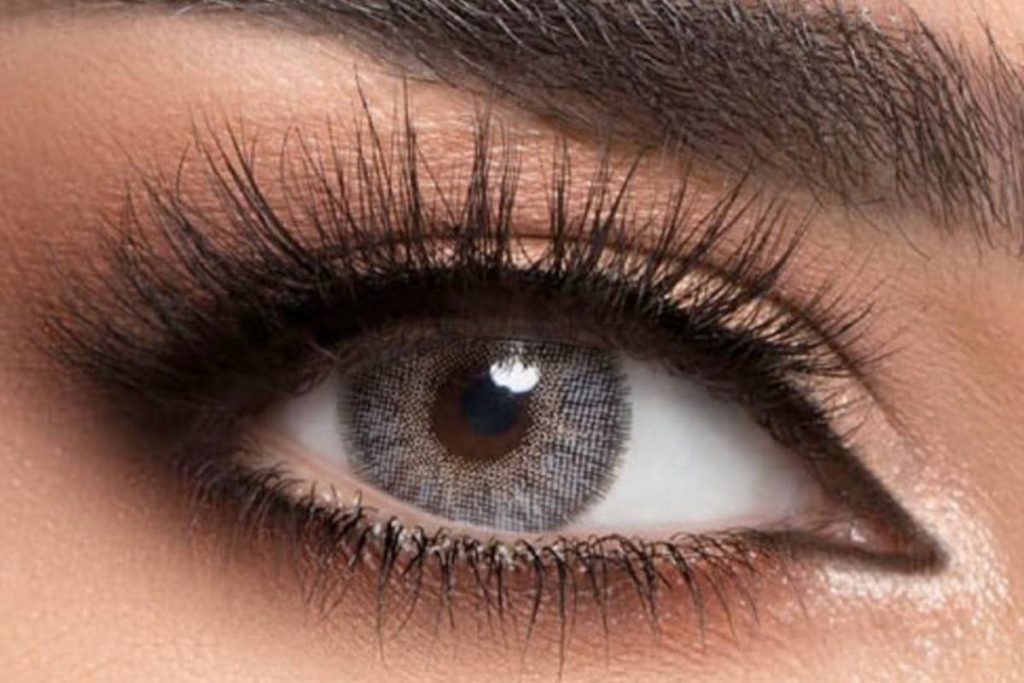
Gray eyes can come in many different shades, including dark gray, gray-blue, green-gray, or hazel. The intensity or the shades of the color depends on the person.
Gray-eyed people may notice that their eyes seem to change color based on the color of clothes, eye makeup, and the surrounding lighting condition.
It might be interesting for gray-eyed people to know that the shades of your eyes change with the change in your mood or expressions, and due to medication because of the fluctuating size of the pupil.
The pupil dilates in extreme emotions such as grief or joy, and while using mydriatic (pupil dilation) eye drops.

Cause of Gray Eyes
Gray eyes are a very uncommon eye color. Less than 3% of the world’s population has it and those who do usually have European heritage.
Like all eye colors, grey eyes are the result of how much melanin is found in the iris. The iris is a circular layer located right in the middle of your eyes and absorbs light into it. It is responsible for controlling how much light that gets into your retina.
Humans actually don’t have green or blue irises because there aren’t any pigments that produce those colors. Lighter eyes result because light interacts with melanin to create different shades of brown.
The color of your eyes is determined by the amount of melanin present. When light hits your eye, it scatters in different ways making it disperse. This is called Rayleigh scattering and you’ve probably heard it before. This scattering of light is what determines what color your eyes have.
Those with light-colored eyes have less melanin than those with brown-colored eyes, and those with green or hazel eyes have the least. Blue-eyed people lack melanin as well, and those who have grey eyes don’t contain any at all.
A new study has found a correlation between the color of a person’s eye and their iris stroma. The corneal stroma of gray eyes has more collagen than the cornea of a blue eye. This also affects how light scatters and is what causes their eyes to appear gray rather than blue.
The genetic makeup of an individual is responsible for the amount of melanin pigment in the iris. There are anywhere from 16-25 different genes that impact one’s eye color, and scientists are still studying the phenomenon to see how the genes interact with one another.

Old View on Gray Eyes Genetics
Gray eyes are not dominant or recessive. It was originally thought that they were the result of one gene, with brown being dominant and lighter eyes (blue, green, hazel and gray) being recessive.
It was once believed that if you inherit one brown-eye gene and one blue-eye gene, the brown-eye gene would be more dominant and your two eyes would both be brown.
Many people think that eye color is determined by a single gene. But in fact, scientists know that this isn’t the case. There are many genes that play a part in how eye color develops, and most of them regulate iris melanin
Facts about Gray Eyes
The color of the eyes ranges from blue to dark brown, with many shades of brown in between. Gray eyes are a rare and beautiful color, but what do we know about them?
More Likely to Drink
A study found that those with blue, green, light brown, or grey eyes had a 54% higher rate of alcohol dependence whereas those with dark-colored eyes were roughly only half as likely to become dependent.
Gray-Eyed Estonia
The distinction between blue and grey eyes is not always clear. For example, Estonia may have the most people with grey eyes, but this number couldn’t be confirmed. There are still a lot of people who have either blue or grey-blue eyes
Changeable with Mood
Gray-eyed people’s eye color changes depending on their mood. Normally, the eyes are lighter, but when dilated because of dilation drops or emotional stress such as happiness and grief, the eyes become darker gray.
Protection Against Disease
Gray-eyed people are associated with lowered risk of vitiligo. Vitiligo is a condition in which the white patches form due to an attack of the immune system on the cells containing pigment, leaving behind unsightly patches on your skin.
Vitiligo is an autoimmune disease that is associated with Type 1 Diabetes, Autoimmune Thyroid Diseases, Rheumatoid Arthritis, and Lupus.
Researchers have found a link between gray eyes and a lower risk of getting this autoimmune disease.
Linked to Wisdom
The Greeks often referred to people with grey eyes as wise. This was allegedly due to the fact that the goddess of wisdom, Athena, had those same eye colors.
Less Sensitive to Pain
A study found that women with light-colored eyes may experience less pain and anxiety during the process of giving birth than do females with dark-colored eyes, such as brown or black.
More Sensitive to Light
Melanin in the eyes absorbs light rays to help protect the retina. People with light-colored eyes-blue, green, or gray- may be more sensitive to bright lights.
If you are one of the gray-eyed people with light sensitivity, it might be time to invest in UV-blocking sunglasses and hats.
More Competitive
A study published in Current Psychology found that people with grey eyes were more likely to be competitive than others.
More Strategic
A study at the University of Louisville has found that people with brown eyes have faster reaction times than those with blue eyes. They say this has implications for anyone who needs to be quick, such as sports players.
But the study showed that people with greys eyes succeeded better in less reactive and more deliberate activities, such as golf, cross-country running, and studying for exams.
Risk of Certain Eye Cancers
The color of your iris matters a lot for your vision and eye health. The more melanin, the better protection from the sun’s rays.
People with gray eyes are at high risk of ocular melanoma, an eye cancer that’s rarer in people with the more common dark-eyed phenotype.
Ocular melanoma can lead to a lot of complications, including glaucoma, vision loss and even spreading to other parts of the body.
Luckily, this eye cancer is really rare (six in every one million), so the likelihood you’ll ever get it is fairly low. But wearing sunglasses with UV protection can help to prevent it no matter which way the odds are stacked.
Most Attractive Eye Color
It’s true that if you consider rarity as a factor, then eyes with a gray or silver-colored iris may be considered to be beautiful. In the poll taken by 1800Contacts, for example, women with gray eyes ranked as the most attractive overall.
Celebrities with Gray Eyes
Gray eyes are often seen as mysterious and intriguing. They can be found in different shades. Though they are not as common as blue or brown eyes, they are still beautiful and unique. Here is a list of some famous celebrities with gray eyes.
Pink – American rock singer
Joanna Noëlle Levesque (Jojo) – American actress, singer, and songwriter
Jai Stephen Courtney – Australian actor
Heather Joan Graham – American writer, and director
Debbie Reynolds – American singer, actress, and businessperson
Clint Eastwood Jr. – American film director, producer, and composer
Windham Lawrence Rotunda (Bray Wyatt) – American wrestler
A Word from Health Kura
The color of one’s eyes can be determined by a variety of factors, including the genes they inherit from their parents, the amount and type of melanin in their irises, and the amount and type of light exposure they receive.
While the color of one’s eyes cannot be changed, there are a number of ways to enhance their appearance, including using eye cosmetics and colored contact lenses.
FAQs
1. What causes gray eye color?
Gray eyes happen when there is very little melanin in the front layer of the iris. But unlike blue eyes, gray eyes have a different type of collagen deposit in the stroma, which is the tissue of the iris. This collagen scatters light differently. It creates a muted, silvery look instead of a clear blue. The amount of collagen and how light scatters gives gray eyes their unique appearance.
2. How rare are gray eyes?
Gray eyes are extremely rare. Only about 3 percent of people in the world have gray eyes. They are less common than blue or green eyes. They are most often found in people of Northern and Eastern European descent. Because they are so rare, they often attract attention and curiosity.
3. Do gray eyes change color?
Gray eyes often appear to change color. This is because they reflect light and colors from the environment. If you wear a blue shirt, gray eyes might look more blue. In soft, dim light, they look silvery gray. In bright light, tiny flecks of gold or green might become visible. This chameleon effect makes gray eyes fascinating and hard to pin down.