Pregnancy changes your body in many ways. Your belly grows. Your feet swell. Your hormones change. But did you know pregnancy also changes your eyes? Many women notice vision changes during pregnancy. Most of these changes are temporary. They go away after the baby is born. But some changes can be serious. It is important to know what is normal and what is not.
Hormonal changes affect your eyes. Your estrogen and progesterone levels rise. These hormones can change the shape of your cornea. They can also affect your tear production. You may become more nearsighted or farsighted. Your glasses prescription may no longer work.
Dry eye is very common in pregnancy. Your tear production may decrease. Your eyes may feel gritty, scratchy, or uncomfortable. You may have blurry vision that improves with blinking.
Some vision changes are more serious. Preeclampsia is a condition of high blood pressure in pregnancy. It can cause blurry vision, flashing lights, or spots in your vision. This is an emergency.
Let’s explore vision changes in pregnancy and how pregnancy affects the eyes.
Eye and Pregnancy: Vision Problem in Pregnancy
Having a vision problem in pregnancy! To have vision changes in pregnancy, mostly in the third trimester, is a common complaint of many mothers-to-be. Sometimes, the problem doesn’t go until delivery.
There is nothing to panic about when this happens because the vision problem in pregnancy resolves on its own after delivery, except in some cases.
Read further in this article about why vision problems occur during pregnancy and how they can be tackled.
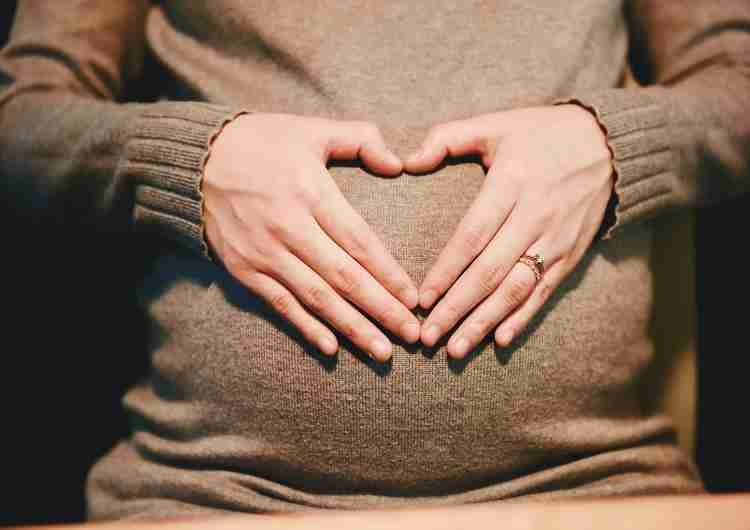
Can pregnancy cause vision issues?
Yes, around 15 percent of the women have to face problems related to eye and vision in the gestation period. Changes in hormones and metabolism in pregnancy, lack of body water, and uncontrolled blood flow at this crucial time affect the eyes and eyesight.
Increased fluid retention and frequent change in metabolism change the curvature and thickness of the cornea as a result of which causes the transient blurry of vision in pregnancy. Refractive correction at this time does not provide satisfactory vision because the power of eyeglasses and contact lenses varies frequently.
This is the reason why it is not advisable to have refractive surgery during pregnancy. Also, do not waste money on glasses and contacts if there is a vision problem in pregnancy.
If you have a vision problem, it is very mild or only for a short time. Most of its symptoms will resolve on their own after a few weeks after childbirth.
If you have a greater impact on your vision, contact an eye doctor as some problems linked to pregnancy may require immediate medical attention.
When do vision problems in pregnancy start?
You may have a vision problem at any stage of pregnancy. According to most women, however, vision problems increase with the pregnancy months before delivery.
What causes vision changes in pregnancy?
Let’s discuss the most common eye changes that occur during pregnancy, their cause, and solutions.
Dry eyes
The quality and the quantity of tear production change due to the surging hormones of pregnancy. The decreased production of tear leads to dry eye syndrome, with symptoms of intermittent blurry vision, excessive tearing, and burning sensation.
The tiny lubricating glands located at the margins of upper and lower eyelids (Meibomian glands) start producing less oil due to the lower secretion of androgen hormones during pregnancy, thereby causing dry eyes.
If you use contact lenses, you may feel more irritation and a burning sensation.
Treatment
Over-the-counter lubricating eye drops (artificial tear) and soothing warm compresses are better treatment options to minimize the effect of dry eyes during pregnancy.
If the symptoms are severe, see your eye doctor, and get treatment for the inflammation due to dry eye syndrome. If you wear contact lenses, use the preservative-free lubricating eye drops prescribed by your eye doctor.
Refractive changes and blurry vision in Pregnancy
Clarity of vision (20/20) is achieved only with the perfect refraction of light by optical media (cornea, aqueous humor, lens, and vitreous humor) of our eyes. Any anatomical or physiological changes in these structures affect the refraction of light.
Due to increased water retention, the thickness and curvature of the cornea (the major refractive structure of the eye and contributor of the 2/3rd of power of the eye) changes and alters the refractive power of the eye, and hence causes blurry of vision.
Treatment
Vision will gradually return to normal postpartum and it is advised to wait several weeks after delivery to get new eyeglasses and contact lenses prescriptions. If you are planning to have refractive eye surgery during pregnancy, just wait for a minimum of six months after childbirth for LASIK (laser-assisted in situ keratomileuses) surgery.
Migraine during pregnancy
Some mothers-to-be experience migraines at some point in their pregnancy. It is found that migraine mostly affects in the first trimester and immediately after childbirth due to sudden plummets of estrogen levels.
Treatment
As photophobia is common in a migraine attack, you should wear sunglasses and change the lighting system to dim light in a room. Visit your eye doctor in case of persistent symptoms and frequent occurrence of migraines.
Preeclampsia
A vision problem in pregnancy can be a dangerous sign of a rare but serious pregnancy-related disease called preeclampsia. It is marked by pregnancy-induced high blood pressure and signs of damage to other organs including the eye.
Hypertensive retinopathy and serous retinal detachment are common occurrences in preeclampsia. Symptoms include a temporary, sudden, or gradual loss of vision, increased light sensitivity (photophobia), flashes of lights, or floaters (spots).
Treatment
If you have any of these aforementioned symptoms, call your eye doctors as soon as possible or admit to the emergency ward of the hospital.
Diabetes and eye changes during pregnancy
Regular monitoring of preexisting eye diseases is crucial during pregnancy because the physiological changes in the body worsen the preexisting diseases. Diabetic retinopathy is a rare but severe ocular disease that may happen due to chronic or gestational diabetes.
Blurry and fluctuating vision, floaters, and dark spots in the visual field, color vision deficiency, and visual field loss are signs and symptoms of diabetic retinopathy.
Treatment
Visit your eye doctor if you notice any of these symptoms. Pregnancy-induced diabetes gets severe in pregnancy but disappears after childbirth.
In some diabetics on oral insulin, injectable insulin may need to start to control diabetes, if your doctor recommends doing so.
Eye pressure and glaucoma in pregnancy
In women without glaucoma, intraocular pressure (IOP) tends to decrease. Similarly, comparing IOP between first and third-trimester, IOP will be high in third-trimester.
In a study of pregnant women with preexisting glaucoma, it is found that 64 percent of women do not have worsening of the disease, but 36 percent of women developed either increased eye pressure or new visual field loss during pregnancy.
When to contact the doctor?
Severe visual discomfort may be a sign of systemic diseases like diabetes or pregnancy-induced hypertension. So do not forget to consult your doctor if any symptoms appear.
Regarding any vision changes in pregnancy, make sure from the doctor that it is not a sign of a serious condition. Apart from this, if you have problems like double vision, floaters, flashes of light.
Pregnancy is a time full of happiness and excitement. But due to the rapidly changing anatomy and physiology of the body, it is necessary to take good care of the entire body, including the eyes.
You should take healthy foods, plenty of water, and adequate rest regularly. It helps to establish a favorable environment for your body’s functioning.
Green leafy vegetables, nuts, fruits, and fish rich in omega-3 fatty acids should be included in a regular diet to tackle the vision changes in pregnancy and other related problems.
Popular Health Categories You Might be Searching For
- Health & Fitness
- Eye Health
- Eye Health PPT
- Eye Makeup Tips
- Ayurveda
- Mental Health
- Top Hospitals
- Top Journals
Health Kura is a health website created for free health tips, updates, medical notes, and health news. The website does not provide medical advice of any kind. The contents are only for educational purposes.
If you have any complaints, suggestions, or useful information about the content on this page or elsewhere on Health Kura, please feel free to contact us.
Health Kura regularly publishes health content. If you want to receive health tips, updates, news, offers, and bonuses, please Subscribe to our Newsletter.
FAQs
1. What vision changes are normal during pregnancy?
Normal vision changes include mild blurry vision, dry eyes, and changes in your glasses prescription. Hormones change the shape of your cornea. Your eyes may become more nearsighted or more farsighted. This is temporary. Your vision will return to normal after the baby is born. Dry eye is also normal. Your eyes may feel gritty or scratchy. Use artificial tears to stay comfortable. You may also see floaters, which are tiny spots or threads in your vision. A few floaters are normal. Many new floaters are not.
2. What vision changes are not normal during pregnancy?
Call your doctor right away if you have sudden blurry vision, double vision, or vision loss. These can be signs of preeclampsia, a serious condition of high blood pressure. Other warning signs include flashing lights, a curtain over your vision, or seeing many new floaters. These can be signs of retinal detachment. Migraine headaches with vision changes are also a concern. Do not ignore these symptoms. They can be dangerous for you and your baby. Go to the emergency room or call your doctor immediately.
3. Will my vision return to normal after pregnancy?
For most women, yes. Your vision should return to normal within a few weeks or months after delivery. Your cornea will return to its original shape. Your glasses prescription will go back to what it was before pregnancy. If you had dry eye, it should improve. However, some women develop permanent vision problems from pregnancy. Preeclampsia can cause permanent damage to the retina. Gestational diabetes can increase your risk of diabetic retinopathy. If you have any vision changes that do not go away after pregnancy, see an eye doctor.